Radiator warm at the bottom but cold at the top, or gurgling? It usually needs bleeding. Step-by-step guide, the pressure check afterwards and when to call us.
By AJ, certified Gas Safe engineer and lead plumber at 247 Emergency Plumbers Edinburgh · Checked
A radiator that is warm at the bottom but cold at the top almost always has trapped air. Air rises and sits at the top, so hot water cannot fill the radiator. Bleeding it with a radiator key lets the air out, and it is a job most people can do themselves. Check the boiler pressure afterwards, because bleeding lets a little water out of the system.
Quick guide: cold at the top means air (bleed it). Cold at the bottom means sludge (needs flushing). Cold all over while others are hot usually means a stuck valve.
What it could be and what to do
Trapped air You may be able to fix this
Likely cause: Air collects at the top of the radiator and stops hot water filling it. British Gas lists cold patches at the top, gurgling and a radiator not heating properly as signs it needs bleeding.
What to do: Turn the heating off and let the radiators cool. Hold a cloth and a container under the bleed valve, then turn it anticlockwise slightly with a radiator key until it hisses. Close it as soon as water comes out steadily. Do not open the valve fully.
Low pressure after bleeding You may be able to fix this
Likely cause: Bleeding releases some water from a sealed system, so the boiler pressure drops. If it falls too low, the boiler may stop or show a pressure fault.
What to do: Look at the boiler gauge. British Gas says aim for about 1 to 1.5 bar with the heating off. If it is low, top up using the filling loop as your boiler manual shows, then turn the heating back on.
Air keeps coming back Engineer needed
Likely cause: If you have to bleed the same radiator every week or two, air or gas is getting into the system. This can be a small leak, a fault with the pump or expansion vessel, or corrosion inside the system.
What to do: Note how often it happens and whether the pressure keeps dropping. Book an engineer to find where the air is coming from, rather than bleeding it again and again.
Safe radiator checks you can do
These are the checks we suggest without an engineer. Never open the boiler casing.
Heating off first: turn the heating off and let radiators cool before you bleed them or touch a valve. The water can scald.
Feel the radiator: with the heating on, note whether it is cold at the top, the bottom or all over. That tells you which page above to use.
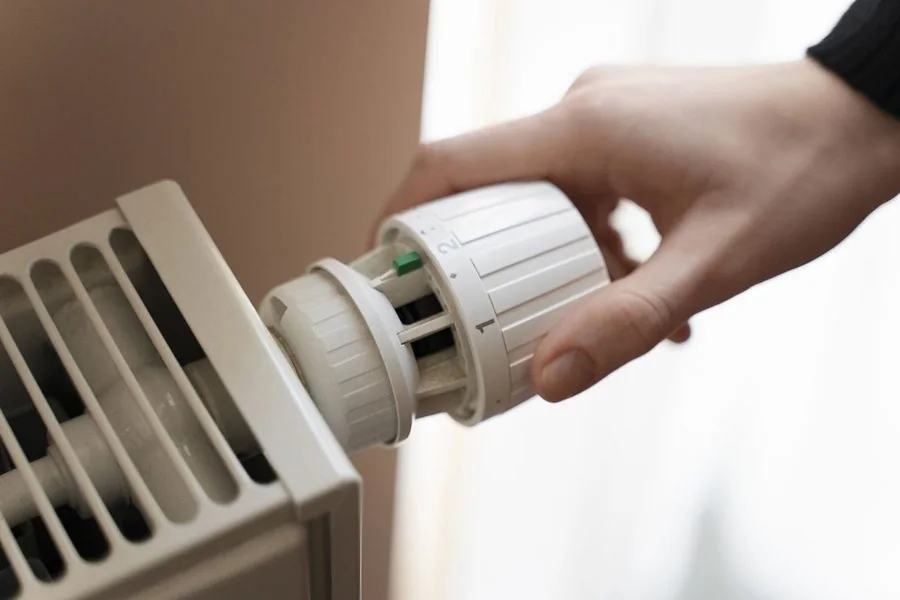
Valves open: check the thermostatic valve is turned up and the lockshield at the other end is not closed.
Bleed: open the bleed valve slightly with a radiator key, catch the water and close it when water flows steadily.
Pressure: after bleeding, check the boiler gauge shows about 1 to 1.5 bar when cold, and top up as your manual shows. Low boiler pressure guide →
Radiator still cold or leaking? We can sort it.
Our callout is from £75 in standard hours (out of hours £100–£180) for attendance and diagnosis. Repair labour and any parts are agreed with you before work starts.
Our emergency line is open 24 hours a day, 7 days a week.
Every heating system is different. This page is general guidance, not a diagnosis.
YOUR QUESTIONS, ANSWERED
Helpful answers before you call.
How do I bleed a radiator?
Turn the heating off and let the radiators cool. Put a cloth and container under the bleed valve at the top corner, turn it anticlockwise slightly with a radiator key until you hear hissing, and close it when water comes out steadily. Then check the boiler pressure.
Should the heating be on or off when I bleed a radiator?
Off. The water inside can be hot enough to scald you. Run the heating first to find which radiators are cold at the top, then turn it off and let them cool before you bleed them.
Why has my boiler pressure dropped after bleeding the radiators?
Bleeding lets a little water out of the system. Top the pressure back up to about 1 to 1.5 bar (cold) using the filling loop, as your boiler manual shows. If it keeps dropping afterwards, there may be a leak.
DAYTIME BOOKING REQUESTS · 7AM–7PM
Prefer to book on WhatsApp?
WhatsApp booking requests are for weekday daytime visits, Monday to Friday within 7am–7pm, Edinburgh local time. One same-day slot is offered each weekday, at least 3 hours ahead; for a same-day booking, call 0131 210 0505 to confirm.
Choose an available date and then a two-hour time window in the chat. Bookings are provisional until the plumber confirms. The work and price must be discussed and agreed before work starts. Online and WhatsApp bookings are not available at weekends: for a weekend or bank holiday visit, call 0131 210 0505 (out-of-hours pricing applies). Standard rates apply Monday to Friday, excluding bank holidays. Callout, labour, parts and materials are separate charges: agree all applicable charges before committing to a visit.
Essential booking security always works. With your permission, Google Analytics and Google Ads measure website use and advertising results. We do not use this choice to enable personalised advertising. Read our cookie policy.