Why autumn deserves its own drainage check
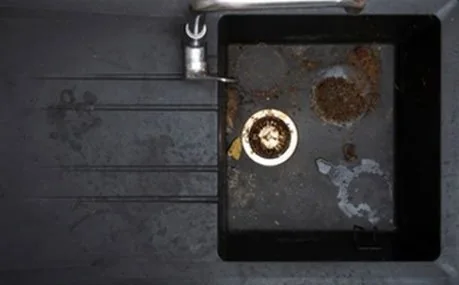
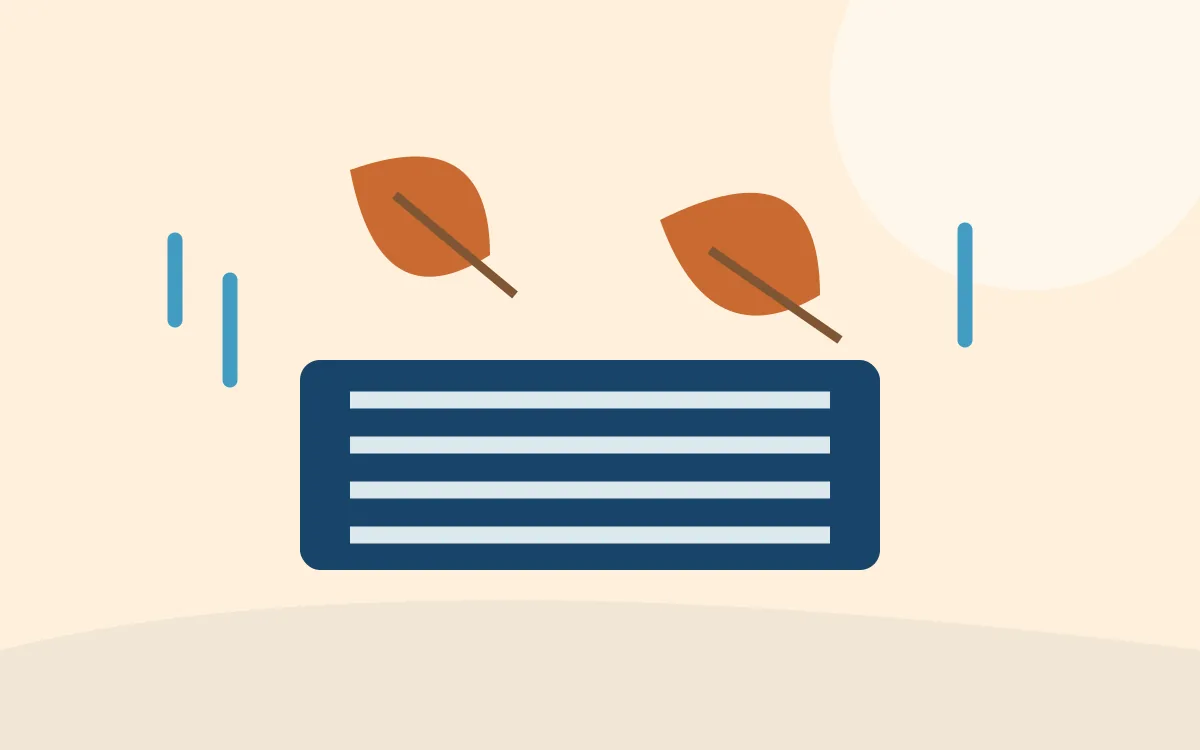
Leaves, small twigs and silt can collect over a surface-water inlet as the weather changes. A wet layer across a grate can obstruct the entry of rainwater even when the pipe below is clear. That is different from a damaged underground drain or a blockage in a foul sewer.
Watch what happens during ordinary rainfall from a safe, dry position: where does water first collect, and does it clear after the rain stops? Intense rainfall can temporarily overwhelm drainage capacity, so standing water alone does not prove a pipe defect. Do not step into floodwater to inspect a grate.
A safe ground-level autumn checklist
- Identify the accessible rainwater grates and channels within your own property. Keep away from traffic, deep water, steep steps and slippery surfaces.
- When dry and safe, use gloves and a hand tool to lift loose leaves from the surface of an accessible private grate. Bag or compost them appropriately; do not wash or sweep them into the drain or onto the road.
- Look from ground level for overflowing gutters, disconnected downpipes and water staining. Arrange competent help for work at height; do not climb to clear a gutter during poor weather.
- Keep bins, plant pots and stored materials clear of drainage channels without altering covers or pipe connections.
- Recheck after significant leaf fall or wind when conditions are safe. Record recurrent pooling even if the visible surface is clear.
Private drains, road gullies and shared tenement repairs
A private courtyard drain, a street gully and a public sewer may have different responsible organisations. Report a blocked road gully to the relevant council, and suspected public sewer problems to Scottish Water. If responsibility is unclear, explain the exact location and symptoms instead of commissioning work on an unidentified asset.
For Edinburgh tenements and converted properties, contact the factor, landlord or other owners about shared drainage and gutter access. Provide the stair address, affected entrances and safe photographs. Agree who can authorise investigation and how access will be arranged; a problem near your wall is not proof that the drain belongs solely to your flat.
Signs a seasonal tidy-up is not enough
Repeated pooling after surface leaves have been removed, several fixtures backing up, sewage smells or wastewater escaping justify further assessment. Stop using fixtures that contribute to a backup and avoid contact with contaminated water. Do not mix drain chemicals or push improvised tools into an unknown connection.
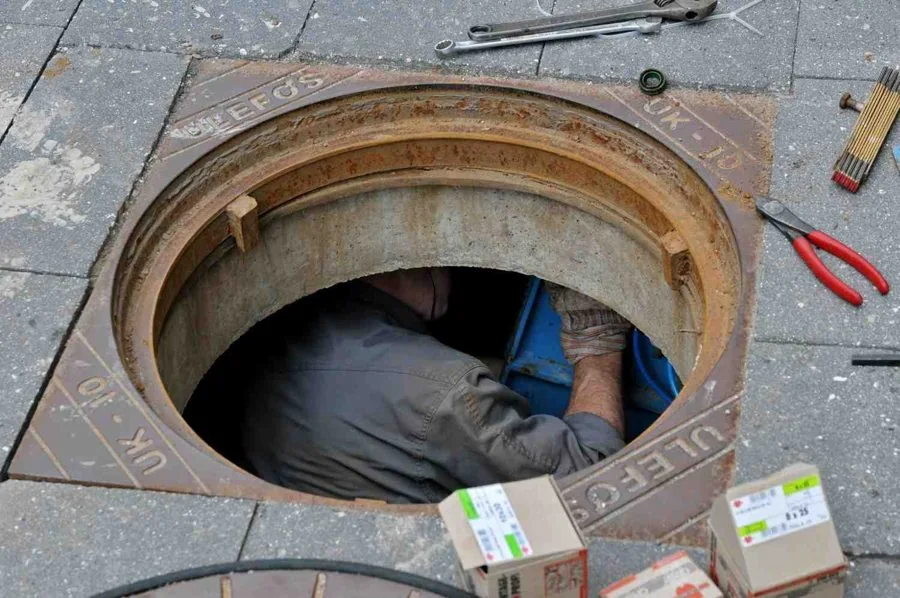
Do not lift heavy inspection covers, enter a chamber or reach into a drain. A professional may recommend clearance, investigation or a CCTV survey depending on symptoms and access. A camera survey is not automatically necessary for a simple layer of leaves over a grate.
If water is threatening the building
Keep people away from floodwater, wet electrics and unsafe access routes. Move vulnerable possessions only where it is safe. For immediate danger to life call 999; do not wait for an online plumbing booking.
Telephone for an urgent enquiry if water is entering the property or wastewater is escaping. Describe whether the water is rainwater or suspected sewage, where it is coming from and which properties are affected. Availability and the appropriate attendance route must be confirmed directly.
Planning a drain visit before winter
Prepare the location of the problem, when it occurs, any previous clearance findings and access restrictions. Keep drainage photographs with your property-maintenance records so a recurring fault can be compared rather than treated as a new event each time.
Our standard-hours drain unblocking guide is £70–£180 for labour only. Callout, parts and materials are separate; a CCTV survey or work outside the listed scope needs an individual quote. Agree the proposed investigation and charges before committing. See the price table below for weekday hours and out-of-hours arrangements.
Further reading and sources
General guidance for homeowners. Diagnosis and work requirements depend on your property and equipment.